


Share Your Shipment Details
Provide us with information about your shipment, including:
- Product type
- Quantity
- Value
- Weight
- Dimensions
- Country of origin
- Supplier details
- Shipping method

We collect and coordinate relevant import and shipping documents required for the clearance process.
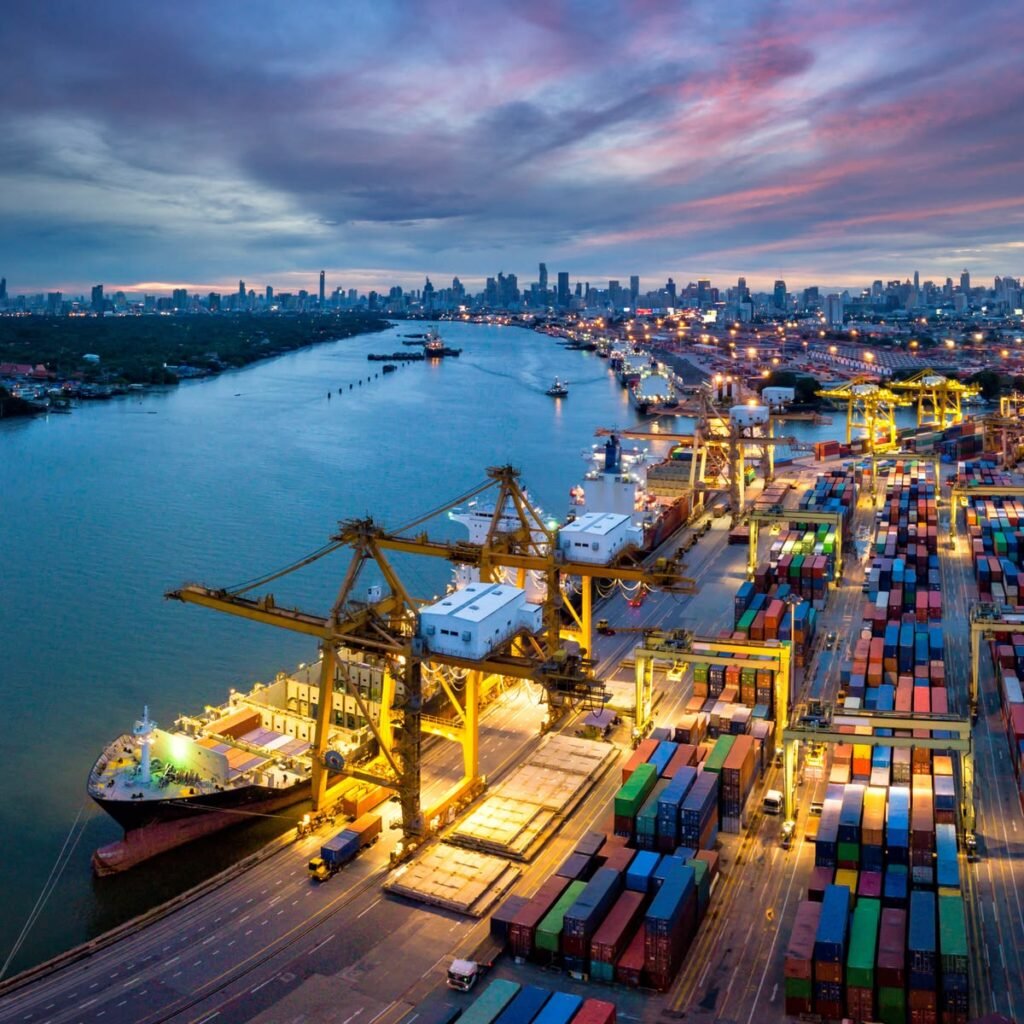
Important details such as product description, quantity, value, weight, and origin are coordinated across the available documents.

We coordinate product classification and other customs-related requirements with the appropriate professionals and authorities.
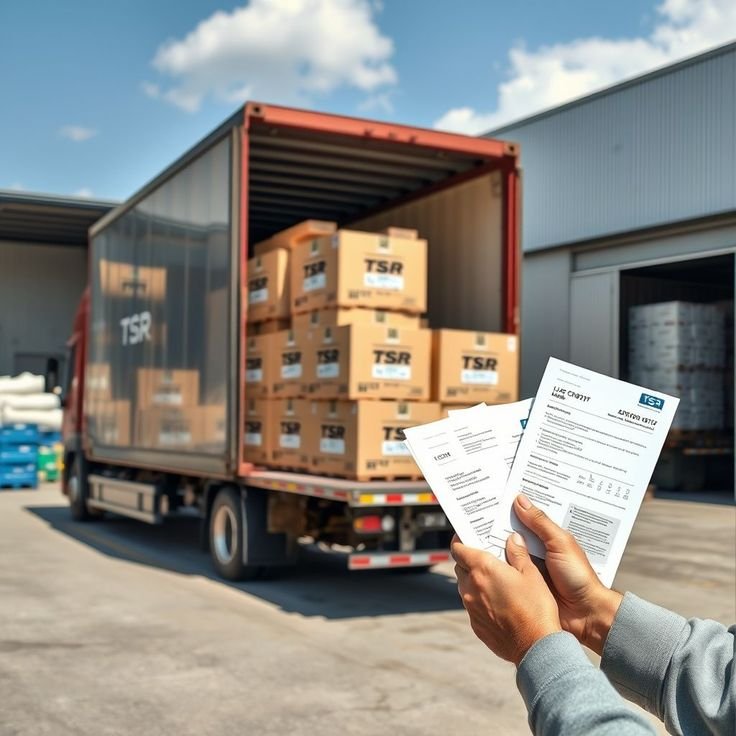
The shipment proceeds through the applicable customs procedures and declarations.

Where applicable, customs duties, taxes, and other charges are assessed and coordinated according to the relevant requirements.

“Al Fajar International provided excellent support with our sourcing and shipment from China. Their team was professional, responsive, and reliable throughout the process.”

“Al Fajar International made our China sourcing and shipping process much easier. Their team was professional, responsive, and kept us updated throughout the shipment.”

“From supplier sourcing to freight coordination, the team provided excellent support. Their service has made our international purchasing process much more convenient.”

“I had a smooth experience with Al Fajar International. Their sourcing, freight, and import support made the entire process much easier and more convenient.”
Get Your China Imports Cleared in Pakistan
We simplify international trade with reliable product sourcing, freight forwarding, customs support, and shipping solutions between China and Pakistan.
- Since 2001
- Own Yiwu warehouse
- LCL, FCL and DDP
How customs clearance works for China-to-Pakistan imports
Customs clearance is the stage between your container arriving at a Pakistani port and the goods being released to you. Knowing the steps makes it easier to prepare, and to see where a delay is likely to come from.
- Manifest. The shipping line files the vessel’s cargo manifest (the Import General Manifest) with customs, listing your container and bill of lading.
- Goods Declaration (GD). The importer, or a clearing agent acting for them, files the GD in WeBOC, Pakistan Customs’ electronic clearance system. It states what the goods are, their HS code, value and country of origin.
- Assessment and examination. Customs assesses the declaration. Depending on risk, a consignment may be cleared on its documents or selected for physical examination.
- Payment. The duties and taxes assessed on the GD are paid before release.
- Release and delivery. Once customs releases the goods and the shipping line’s delivery order and port charges are settled, the container leaves the port for delivery.
Al Fajar International keeps your shipment information and documents organised and coordinates with the logistics and customs parties involved, so each step has what it needs.
Documents to have ready before the ship arrives
| Document | What it is for |
|---|---|
| Commercial invoice | Declares the goods, quantities and price paid. It is the starting point for customs value. |
| Packing list | Lists cartons, weights and volumes. It must match the invoice and the physical cargo. |
| Bill of lading | The transport contract and proof of shipment issued by the shipping line. |
| Form E (certificate of origin) | Needed to claim reduced duty under the China-Pakistan Free Trade Agreement, when the goods qualify. |
| Importer registration | Your business needs the registrations required to file imports, for example NTN and sales tax registration where applicable. |
| Permits or NOCs | Required for some regulated goods. See the list below. |
For a fuller checklist, see our import documentation page.
Why clearance gets delayed, and how to avoid it
- Wrong or vague HS code. The HS code (the Pakistan Customs Tariff heading) drives the duty rate. A wrong code can lead to re-assessment, a dispute or extra tax. Confirm the code before you ship, not after the container lands. See how import duty is worked out.
- Documents that do not match. Quantities, descriptions or values that differ between the invoice, packing list and bill of lading invite questions. Ask your supplier to issue all three from the same data.
- Under-declared value. Customs can challenge a value that looks too low for the goods, which causes delay and a possible valuation dispute. Declare the real transaction value and keep proof of payment.
- Missing Form E. Without it, the preferential rate cannot be claimed, and it is hard to fix after the goods have shipped. Ask the supplier for it before the container sails.
- Regulated goods without approvals. Some products need approval from another authority first, for example telecom or wireless devices (PTA), medicines and medical devices (DRAP), or products covered by mandatory standards (PSQCA). Check early.
- Slow paperwork at the port. Storage and container detention charges start after the free period set by the port and the shipping line, so a delay costs money. File early and keep your documents ready.
Clearance at Karachi, Port Qasim or an inland dry port
Most sea shipments from China arrive at Karachi Port or Port Qasim, and clearance is normally done there. For some consignments, goods can instead be moved under customs control to an inland dry port such as the one in Lahore and cleared there, subject to the rules and to the goods being eligible. Which route is cheaper or faster depends on your cargo, your final delivery address and the port charges, so it is worth deciding before the shipment sails. Our China to Pakistan freight service covers the shipping side of the same journey.
What is double customs clearance on China-Pakistan shipments?
You will often see “double customs clearance” (also written “double clearance” or “double clear”) in offers for China-Pakistan door-to-door cargo. It means customs is cleared at both ends of the journey: export clearance in China before the goods leave, and import clearance in Pakistan when they arrive. The term is usually used when one forwarder takes care of both ends, often together with duties and taxes, so you get a single price and delivery to your door.
It is convenient, but check what is actually included before you agree to a price:
- Whether duties and taxes are included in the price or billed separately.
- Which HS code and value will be declared, because these decide the tax you pay.
- Whose importer registration is used on the declaration.
- What happens if customs reassesses the goods or extra port charges arise.
Our DDP shipping service covers freight, customs clearance, duties, taxes and delivery for one landed cost, so you can see the full price before the cargo ships.
Habits that make every clearance smoother
- Share the product list, HS code and a draft invoice with us before your supplier ships.
- Ask suppliers for clear product descriptions (what the item is, its material and use), not only model numbers.
- Keep copies of the purchase order, proof of payment and Form E together.
- Plan for port charges, duties and taxes so the funds are ready when the ship arrives.
- Reuse the same document format for repeat orders, so later consignments move faster.
Planning an import from China? Send us your shipment details and we will help you line up the documents and the clearance steps before the cargo ships. New to importing? Read our step-by-step guide to importing from China to Pakistan.
Related services and guides
Explore more ways Al Fajar International supports your imports from China to Pakistan.