China Import Duty & Tax Guide
How duties and taxes work when you import goods from China into Pakistan.
A plain-English guide to customs duty, sales tax, income tax, HS codes, customs value and Form E, with a free estimator to help you plan your landed cost.
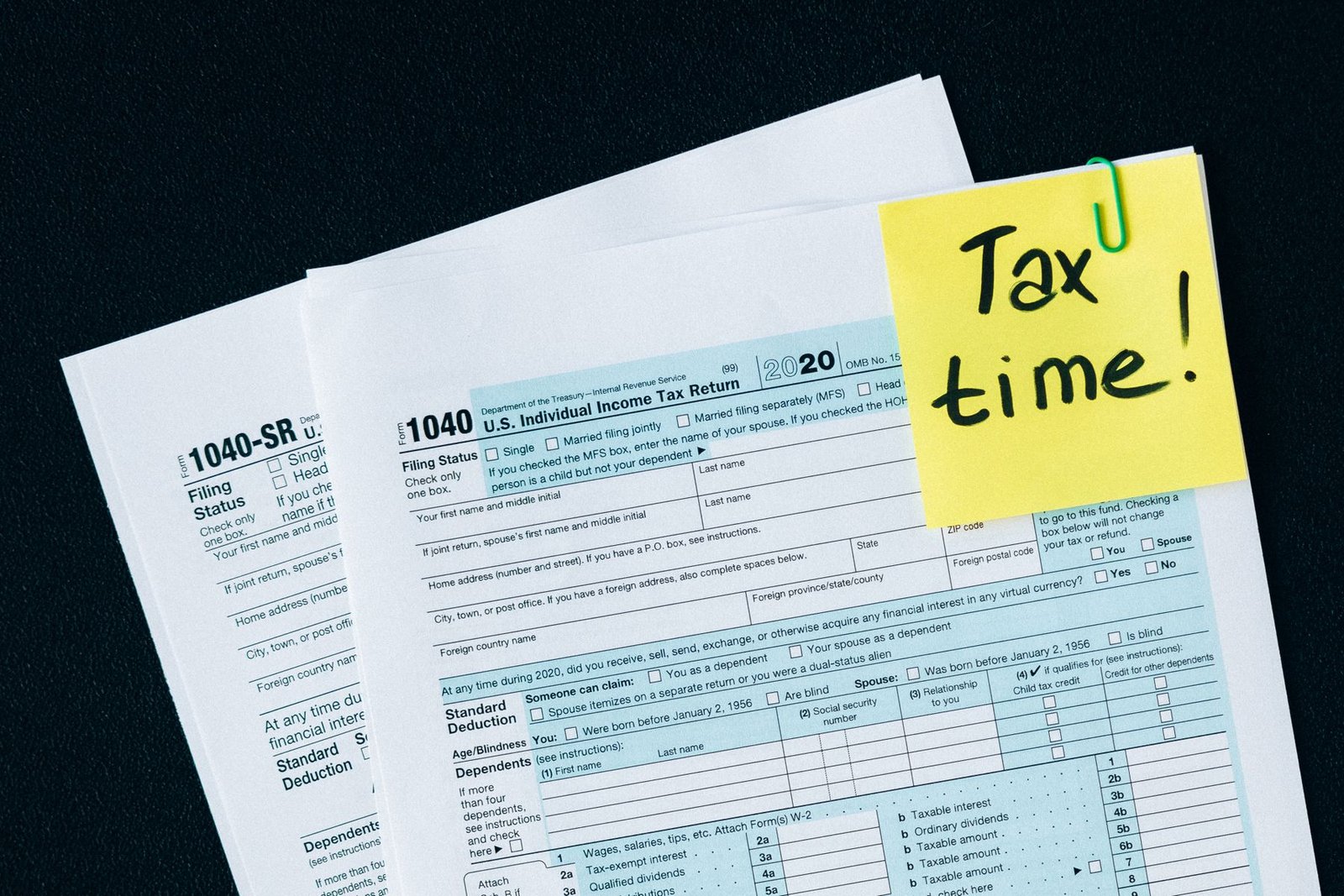
What duties and taxes apply to goods from China?
When goods from China enter Pakistan, several charges can apply. Which ones you pay depends on what you import and how it is classified.
The main charges on imports into Pakistan
Here is a simplified overview of the charges you may meet. Which apply depends on your goods and the current tariff.
| Charge | What it is | Usually calculated on |
|---|---|---|
| Customs duty (CD) | A percentage of the customs value, set by the HS code in the customs tariff. | Customs value |
| Additional customs duty (ACD) | An extra duty applied to certain goods on top of customs duty. | Customs value |
| Regulatory duty (RD) | A duty imposed on selected goods to regulate imports. | Customs value |
| Federal excise duty (FED) | An excise duty on specific goods only. | Value plus duties |
| Sales tax | The main consumption tax on imported goods, charged after duties are added. | Value plus duties |
| Advance income tax | A withholding tax collected at import, credited against your income tax. | Value plus duties and sales tax |
Anti-dumping and other special duties can also apply to specific products. Confirm current rules for your HS code.
How import duty and tax are calculated
Each charge is usually built on top of the one before it. Here is the order.
Start with the customs value
Usually the invoice price plus freight and insurance to Pakistan.
Add customs duties
Apply customs duty, plus any additional or regulatory duty, to the customs value.
Add sales tax
Charge sales tax on the value plus the duties from step 2.
Add advance income tax
Charge advance income tax on the value plus duties and sales tax.
Add local charges
Port, terminal, clearance and delivery charges are separate from duties and taxes.
Import duty and tax estimator
Enter your customs value and the rates for your HS code to see a rough breakdown of duties, taxes and landed cost. The rates shown are examples only.

Why your HS code decides your duty
The Harmonized System (HS) code is a numeric code that classifies your product in the customs tariff.
What counts as customs value?
Duty is calculated on the customs value, so declaring it correctly is essential.


Form E and reduced duty
Under the China–Pakistan Free Trade Agreement, many products can qualify for reduced or zero customs duty.
Documents needed to clear your goods
Duties and taxes are assessed from your paperwork, so keep every document accurate and consistent. Learn more about our customs clearance and import documentation services.
Typical import documents
- Commercial invoice — accurate value, quantity and terms.
- Packing list — cartons, weights and CBM.
- Bill of lading — the carrier’s receipt for your cargo.
- Form E — where the goods qualify under the FTA.
- Importer registration details — as required for clearance.
- Permits or approvals — only for regulated goods.
How import clearance works, step by step
From classification to release, this is the usual path for goods arriving at Karachi Port or Port Qasim.
Classify the goods
Find the correct HS code for each product.
Declare the value
Prepare an accurate commercial invoice and packing list.
File the declaration
A Goods Declaration is filed in Pakistan Customs’ WeBOC system.
Pay duties and taxes
Assessed duties and taxes are paid before release.
Inspection if selected
Customs may examine the goods or check the documents.
Release and delivery
Once cleared, the cargo is released and delivered.
Ways to manage your import costs
You cannot change the tariff, but you can avoid unnecessary cost and delay.
Classify correctly
Use the right HS code from the start to avoid the wrong duty or delays.
Use Form E where eligible
Ask your supplier for a valid Certificate of Origin for goods that qualify.
Declare the true value
Accurate invoices protect you from valuation disputes and penalties.
Consolidate shipments
LCL or FCL planning can spread freight and clearance costs.
Choose the right shipping terms
DDP puts duties, taxes and delivery into one quote.
Plan for rate changes
Check current rates before you confirm prices or place orders.
Common import duty mistakes
Using the wrong HS code
Can change the duty rate, trigger extra duties or cause delays.
Under-declaring value
Risks valuation disputes, penalties and held cargo.
Missing Form E
Eligible goods can lose the chance of reduced duty.
Skipping permits
Regulated goods can be held without the right approvals.
Ignoring local charges
Port, terminal and storage charges add to your landed cost.
Using old rates
Duty and tax rates change, so last year’s rates may not apply.
Let Al Fajar International handle it
From duty planning to delivery, we coordinate the whole import journey.
DDP shipping
One quote covering freight, clearance, duties, taxes and delivery.
DDP shipping China to PakistanImport duty and tax questions, answered
Cannot find what you are looking for? Talk to our team.
Need a landed-cost quote?
Tell us what you are importing and we will come back with a clear plan.
Chat on WhatsAppHow much import duty will I pay on goods from China?
It depends on the HS code, the customs value and the current tariff. Duty rates are set per product, and other taxes are added on top. Use the estimator on this page or send us your product details for a landed-cost estimate.
What taxes apply when importing from China to Pakistan?
Typically customs duty, sometimes additional customs duty and regulatory duty, federal excise duty on certain goods, sales tax, and advance income tax. Which ones apply depends on the goods.
How is import duty calculated in Pakistan?
Customs duty, and any additional or regulatory duty, is a percentage of the customs value. Sales tax is then charged on the value plus those duties, and advance income tax on the value plus duties and sales tax. The estimator on this page follows this order.
What is an HS code and why does it matter?
The HS code classifies your product in the customs tariff. It decides the duty rate, and whether extra duties, permits or restrictions apply. A wrong code can mean the wrong duty, delays or penalties.
What is Form E and can it reduce duty?
Form E is the Certificate of Origin used under the China–Pakistan Free Trade Agreement. Eligible goods that meet the origin rules and carry a valid Form E may qualify for reduced or zero customs duty. Sales tax and income tax normally still apply.
Do duty and tax rates change?
Yes. Rates and rules are revised by the government, often with the annual budget and sometimes in between. Always check the current rates for your HS code before you finalise your costs.
What is customs value?
It is the value on which duty is calculated, normally based on the price you pay for the goods plus freight and insurance to Pakistan. Customs may compare your declared value with reference values, so your invoice should be accurate.
Who pays the duties and taxes, the importer or the supplier?
Under most shipping terms, such as FOB and CIF, the importer pays. Under DDP, the party arranging the shipment handles them and includes them in the price. See our DDP shipping service for details.
Can Al Fajar International handle duties and clearance for me?
Yes. We coordinate customs clearance, and for DDP shipments we handle duties and taxes and show them in your quote. Contact us with your product details to get started.
Which documents are needed to clear goods in Pakistan?
Commonly a commercial invoice, packing list, bill of lading or airway bill, Form E where applicable, importer registration details and any permits for regulated goods. The Goods Declaration is filed through Pakistan Customs’ WeBOC system.
More ways we support your imports
Ready to plan your China to Pakistan import?
Tell us what you are importing and we will come back with a clear plan and landed-cost quote.