
Import guide · China to Pakistan
How to Import from China to Pakistan: Step-by-Step Guide
A plain-English walkthrough of the whole process: finding suppliers, choosing LCL or FCL, working out duty, preparing documents, clearing customs and getting the goods to your door.
- 8 steps, start to finish
- 20-30 days typical sea transit
- LCL and FCL explained
The short version
Importing from China to Pakistan comes down to eight steps. Each one below explains what to do, what to watch out for, and where to read more.
Make sure your product is allowed, and that your business is registered to import.
The HS code, the declared value and matching documents decide how smooth clearance is.
Add freight, duty, taxes, port charges and delivery to the product price before you order.
Updated October 2026. Customs rules, duty rates and registration requirements change often, so confirm the current position for your product before you order.
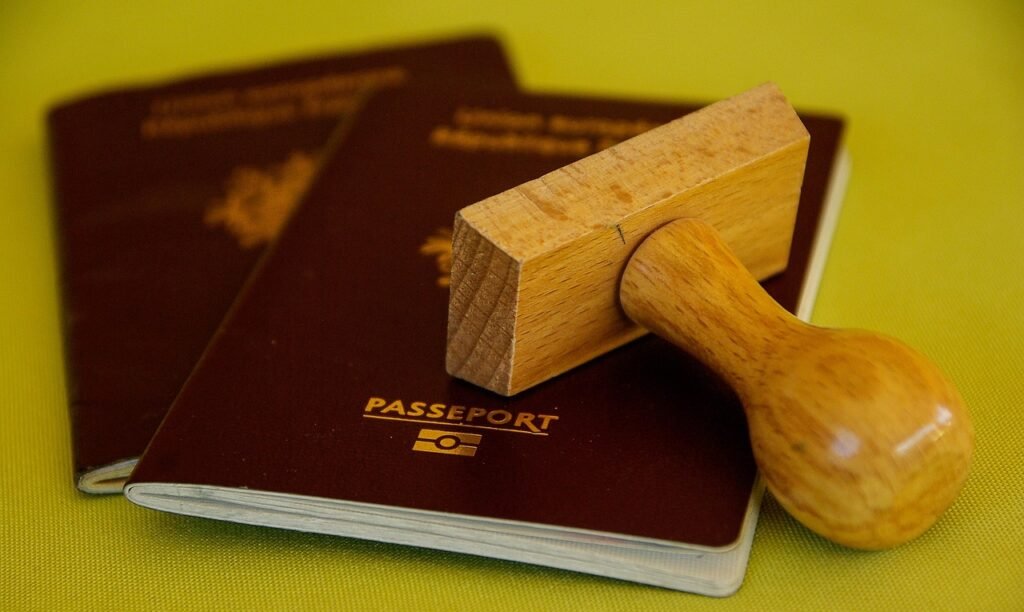
Check what you can import and register as an importer
Not every product can be imported freely, and not every business can file an import. Settle two things first.
- Registration. Most commercial importers must be registered with the Federal Board of Revenue (an NTN and, where it applies, sales tax registration) so a Goods Declaration can be filed in WeBOC, Pakistan Customs’ clearance system.
- Restrictions. Some goods are restricted or need approval first, for example telecom and wireless devices (PTA), medicines and medical devices (DRAP) and products covered by mandatory standards (PSQCA).

Find and verify your supplier
Most importers buy from marketplaces such as 1688 and Alibaba, or directly from factories. Verify before you pay:
- Ask for the supplier’s business licence and company details.
- Order samples and agree the specification and packaging in writing.
- Compare two or three quotes, not just one.
A sourcing agent in China can do this checking for you.
Product sourcing service →Buying from 1688 and Alibaba →
Agree price, terms and payment
Agree the price, the Incoterm and the payment terms in writing. The Incoterm (EXW, FOB, CIF or DDP) decides who pays for freight, insurance and clearance.
Payments for imports normally go through your bank, which will ask for specific documents, so check its requirements before you pay a deposit. Keep the proforma invoice, purchase order and proof of payment together, because customs and your bank can ask for them.
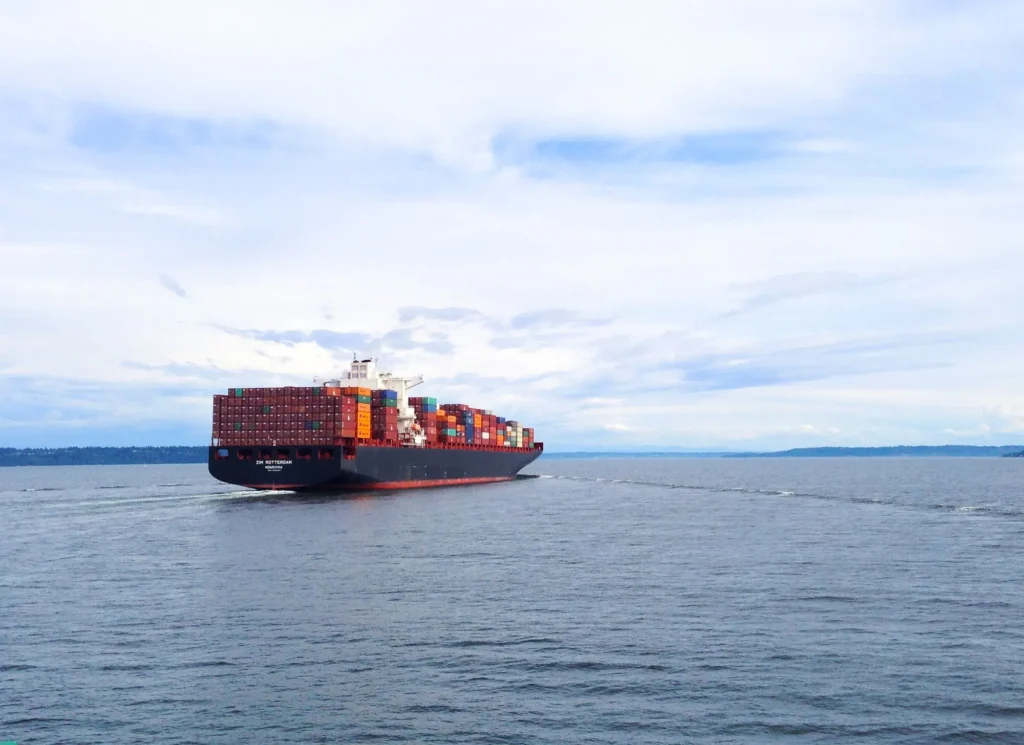
Choose how to ship: LCL or FCL
Sea freight is the usual choice for commercial cargo. Port-to-port transit from China to Karachi Port or Port Qasim is typically around 20 to 30 days, plus clearance and inland delivery.
- LCL (less than container load): your cargo shares a container and you pay for the space you use. Best for smaller volumes.
- FCL (full container load): you book the whole container. As a rule of thumb it starts to make sense at roughly 10 to 15 CBM, so ask for both quotes.
- Cargo consolidation: goods from several suppliers are combined into one shipment, for example through our Yiwu warehouse.

Classify your goods and estimate duty and tax
Every product has an HS code, which in Pakistan is the Pakistan Customs Tariff heading. The code and the customs value decide your duty and taxes: customs duty (and any additional or regulatory duty), sales tax and advance income tax, calculated on top of the customs value.
If your goods qualify, Form E under the China-Pakistan Free Trade Agreement can reduce the duty rate.
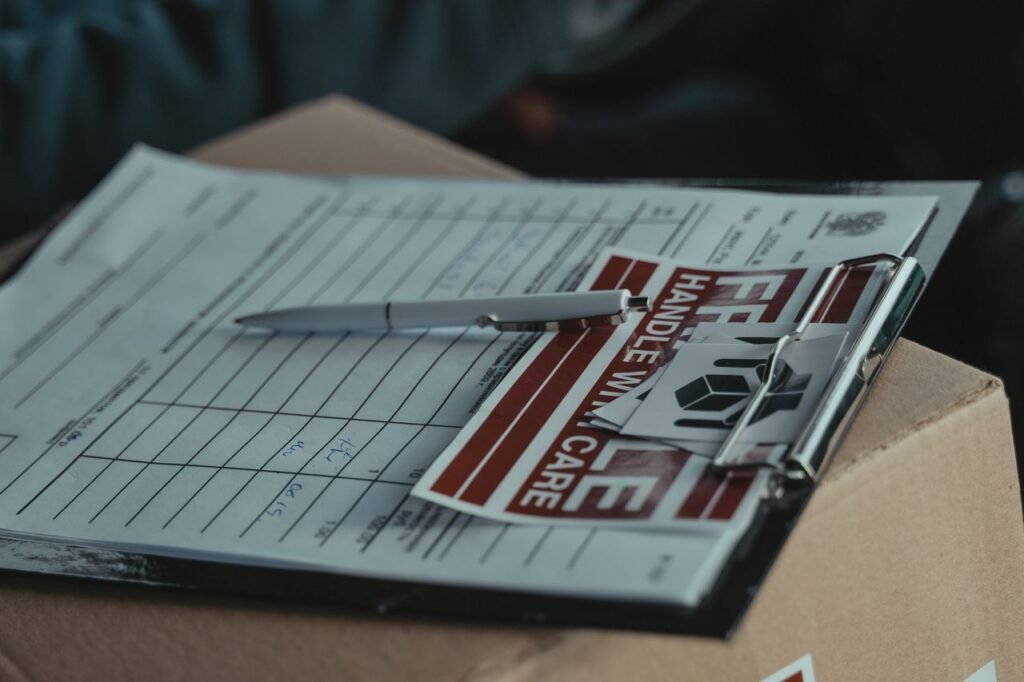
Prepare the shipping and customs documents
| Document | Why you need it |
|---|---|
| Commercial invoice | Goods, quantities and price paid. The basis for customs value. |
| Packing list | Cartons, weights and volumes. Must match the invoice and cargo. |
| Bill of lading | Transport contract and proof of shipment. |
| Form E | Needed to claim reduced duty under the China-Pakistan FTA. |
| Registration and permits | Your own registrations plus any approval your product needs. |
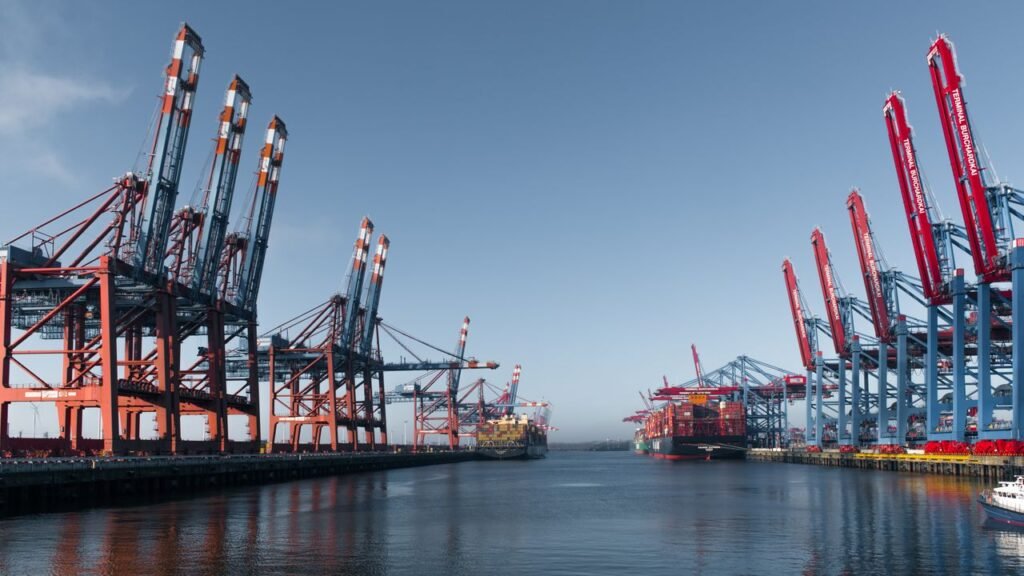
Clear customs in Pakistan
When the vessel arrives, the shipping line files its manifest, and the importer or a clearing agent files the Goods Declaration in WeBOC. Customs assesses the declaration, may examine the cargo, and releases it once the duties and taxes are paid.
If an offer promises double customs clearance, meaning clearance at both ends, check what it includes. Our DDP shipping service arranges freight, clearance, duties, taxes and delivery for one landed cost.
Customs clearance step by step →
Deliver the goods to your address
Once customs releases the goods and port charges are settled, the cargo is delivered to your warehouse or shop. Plan inland delivery in advance, whether to Karachi, Lahore, Islamabad or elsewhere, and check the cargo on arrival, reporting any damage straight away.
Door-to-door delivery →How long does the whole process take?
Timing depends on your product and route, but these are the stages to plan around.
Common mistakes to avoid
- Ordering before checking whether the product is restricted or needs approval.
- Paying a supplier you have not verified, or skipping samples.
- Vague product descriptions on the invoice and packing list.
- A wrong HS code or an under-declared value.
- Forgetting to ask the supplier for Form E before the goods ship.
- Ignoring port storage and detention charges, and delivery costs inside Pakistan.
What an import really costs
- Product price and the supplier’s own charges, such as local delivery in China.
- Sea freight and origin and destination port charges.
- Customs duty, sales tax and advance income tax.
- Customs clearance and agent charges.
- Inland delivery in Pakistan, and optional cargo insurance.
- Bank charges on payments to your supplier.

Do it yourself or work with an agent?
You can handle every step yourself, and many importers do. Working with a partner saves the most time on sourcing, consolidation and clearance.
Al Fajar International helps importers with sourcing, supplier coordination, sea freight, customs clearance coordination and door-to-door delivery, so one team looks after the shipment from the factory to your door.
Frequently asked questions
Do I need a licence to import from China to Pakistan?
Most commercial importers need to be registered with the Federal Board of Revenue (an NTN and, where it applies, sales tax registration) to file import declarations. Some goods also need approval from another authority first. Rules change, so confirm the current requirements for your product and business before you order.
How long does shipping from China to Pakistan take?
By sea, port-to-port transit is typically around 20 to 30 days. Add time for supplier production and pickup in China, customs clearance in Pakistan and delivery to your address.
How is import duty calculated?
Duty and taxes are based on the customs value of the goods and the HS code they fall under: customs duty (and any additional or regulatory duty), then sales tax and advance income tax. Our import duty guide has a free estimator.
Is LCL or FCL better for my first shipment?
LCL suits smaller volumes because you pay only for the space you use. Once a shipment reaches roughly 10 to 15 CBM, a full container can cost about the same or less, so ask for both quotes and compare.
Which documents do I need to import from China?
Typically a commercial invoice, packing list and bill of lading, plus Form E if you want to claim reduced duty, your importer registration and any permits your product needs.
Can I import small quantities from China?
Yes. LCL shipping and cargo consolidation let you ship smaller quantities, and combine goods from several suppliers into one shipment. Minimum order quantities depend on your supplier.
Can Al Fajar International help me import?
Yes. We help with product sourcing, supplier coordination, cargo consolidation, sea freight, customs clearance coordination and delivery to your door in Pakistan.
Planning your first import?
Send us your product details and we will help you plan the route, the documents and the costs, before your supplier ships.
Get a free quoteChat on WhatsApp